

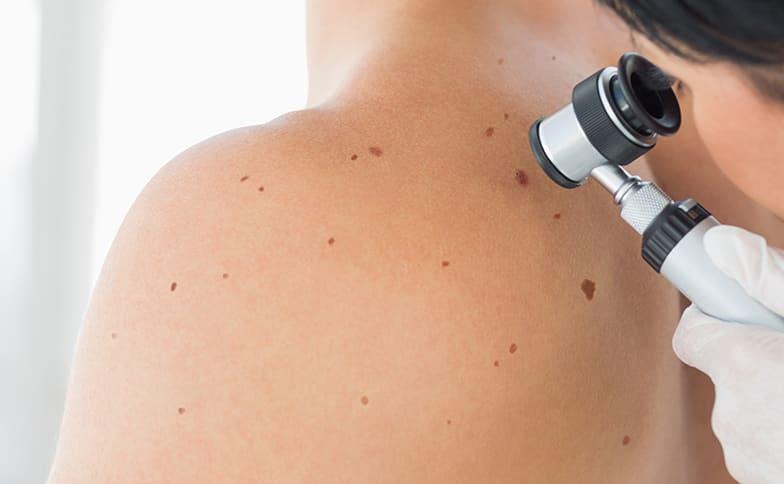
Skin cancer develops when skin cells grow in an uncontrolled way, often after damage from ultraviolet light. It may appear as a new spot, a sore that does not heal, or a mole that changes in appearance. Cancer screening gives a dermatologist a structured way to look for these indicators, and it helps prevent symptoms from progressing. Here is some information about the role of skin cancer screening in early detection:
Limits Fatality
Skin cancer screening plays a direct role in early detection, especially for melanoma, which is more likely than other skin cancers to spread. During a screening, a clinician examines the skin from the scalp to the feet and checks spots that appear:
- Uneven
- Dark
- Raised
- Bleeding
- Different from nearby marks
If a spot appears suspicious, the next step may be close monitoring, dermoscopy, or a biopsy. Early findings give doctors more information earlier; this matters because treatment planning depends on the cancer’s type and severity. A thin melanoma found during a routine exam is evaluated differently from a thicker lesion found after months of growth.
Supports Minimally Invasive Treatments
When skin cancer is found early, treatment may involve a smaller area of tissue than treatment for a more advanced lesion. For some nonmelanoma cancers, treatment options include excision or Mohs surgery. The choice depends on clinical findings, lab results, health history, and provider judgment. Patients are often monitored after treatment, and additional testing may be scheduled if needed.
A screening visit also creates a record. Photos, measurements, and notes help track whether a mole or patch changes over time. Some cancers grow slowly, but others behave more aggressively. Because growth patterns vary, a routine exam helps distinguish low-risk findings from those that need prompt review.
Early evaluation may mean fewer unknowns for many patients. Patients receive clear instructions about what was seen and what needs testing, and their provider explains when to return. If a biopsy is needed, the result guides the next step rather than relying on appearance alone.
Prevents Spreading
Skin cancer begins in the skin, but certain types may move into deeper tissue or reach lymph nodes if they progress. Screening helps identify suspicious lesions before the process advances. This is relevant for melanoma and some squamous cell carcinomas. These may require more detailed staging when found later.
The exam is useful for people with higher risk factors, and it helps detect issues early. These include a personal or family history of cancer, frequent sunburns, tanning bed use, many moles, or fair skin. Because people who work outdoors or spend long hours in the sun are exposed to more UV radiation, they benefit from regular skin checks.
Schedule Skin Cancer Screening
Cancer screening is a practical step for finding suspicious changes early and documenting your skin health over time. It does not replace sunscreen or protective clothing, but it adds a trained review to your routine. A changing mole, a persistent sore, or a new growth often indicates that an exam would be beneficial. Contact a dermatologist today to book a screening.
