

Ankle replacement offers a way to reduce pain and restore joint function for individuals facing severe arthritis or joint deterioration. Understanding the recovery process helps patients prepare for the physical demands of rehabilitation. If issues arise during the healing journey, knowledge of potential post-surgical challenges also allows individuals to respond appropriately.
What Is Ankle Replacement?
Ankle replacement surgery involves removing damaged bone and cartilage from the joint and substituting them with artificial components. Conditions such as severe osteoarthritis or rheumatoid arthritis frequently lead to the need for joint intervention. Depending on the extent of joint deterioration, a patient may undergo a partial or total replacement. A partial procedure replaces only specific surfaces of the joint. A total replacement requires the removal of all damaged sections of the talus and shin bone. These prosthetic pieces mimic the natural movement of the joint, allowing patients to maintain a more normal gait compared to alternative surgeries like ankle fusion. Fusion permanently joins the bones together, which limits flexibility.
What Does Recovery Involve?
The rehabilitation period following this surgery typically spans several months and requires strict adherence to specific medical protocols. Patients usually remain in the hospital for a brief observation period, sometimes just one night, before returning home. The ankle is immobilized using a cast or splint, and weight-bearing must be entirely avoided for several weeks. Patients can rely on mobility aids such as crutches, walkers, or knee scooters during this initial non-weight-bearing phase.
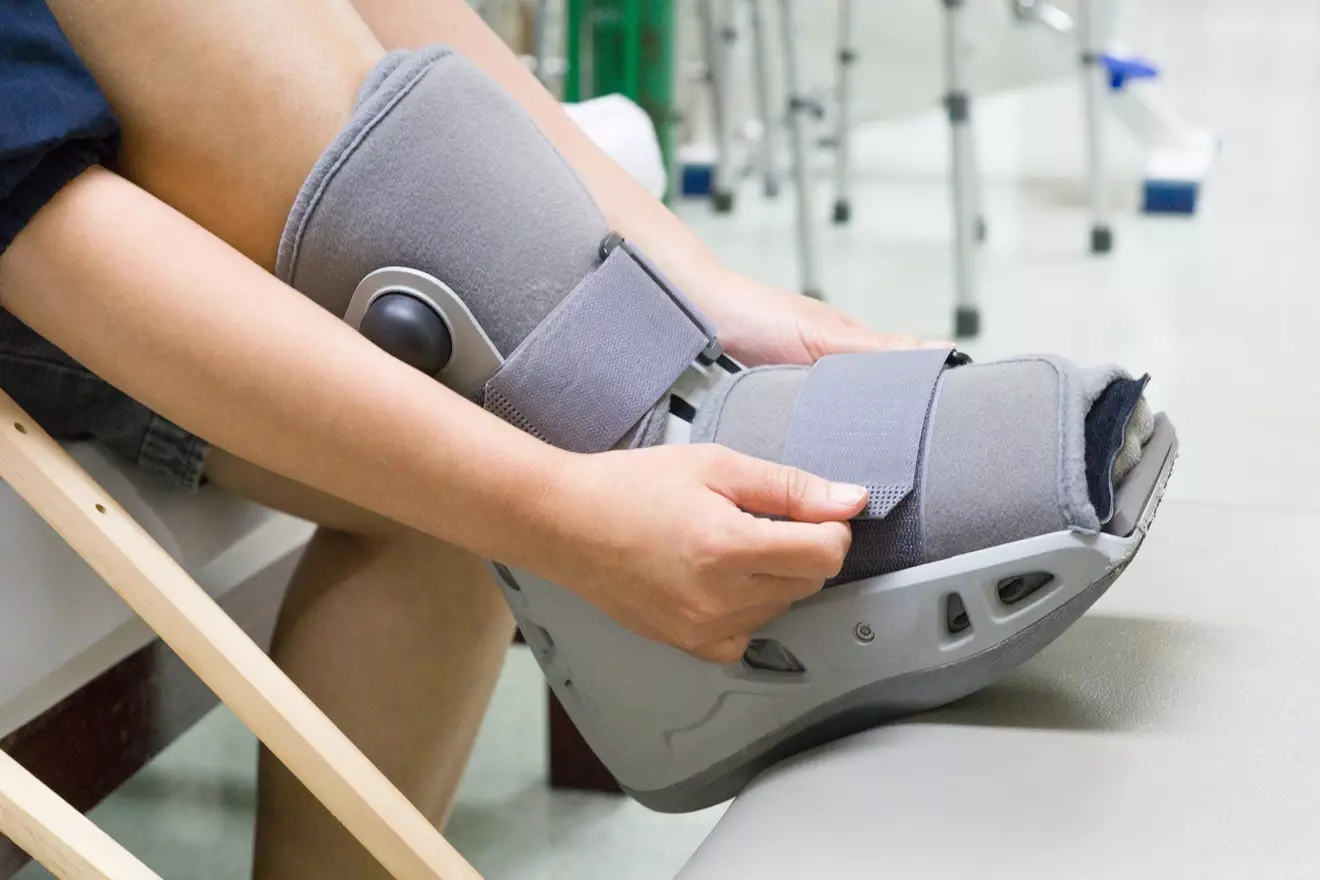
After the surgical incisions heal and the initial swelling subsides, physicians may transition patients to a removable walking boot. Gradual weight-bearing begins around four to six weeks post-surgery. Physical therapy plays a central role in rehabilitation from this point forward. A structured exercise program helps individuals regain strength and restore their range of motion. Full recovery may take up to a year.
How Are Complications Managed?
Modern surgical techniques minimize risks, but complications can still occur after joint surgery. Potential issues include surgical site infections, blood clots, nerve damage, blood vessel injury, or the eventual loosening of the prosthetic components over time. Certain populations face a higher risk of developing these postoperative problems, particularly individuals who smoke or those managing systemic health conditions like diabetes.
Preventing complications begins with following all medical instructions, maintaining a nutritious diet, refraining from smoking, and attending regular follow-up appointments. Surgeons monitor the healing process through physical examinations and use imaging scans to verify that the joint components remain secure. Patients should monitor their surgical site and overall health closely at home. Prompt medical evaluation is necessary if specific warning signs appear. Symptoms requiring immediate attention include an unexpected increase in swelling around the foot or ankle, a sudden onset of fever, or unusual drainage from the incision site, such as pus or excessive blood.
Speak Further With Your Surgeon
Navigating the postoperative period requires a clear understanding of the healing process and potential risks. Ankle arthroplasty represents a major surgical undertaking, and individual recovery experiences vary based on overall health, age, and specific surgical details. Your orthopedic surgeon remains the best resource for personalized medical guidance. Open communication with your medical provider can facilitate a more predictable recovery, helping you achieve the best possible outcome from your joint replacement.
