

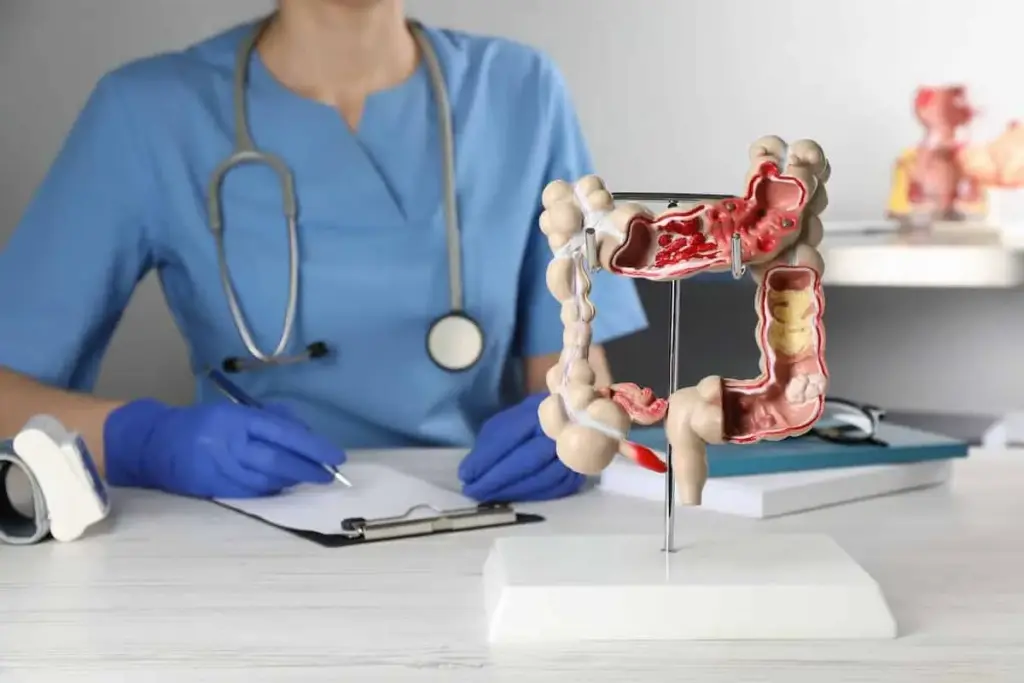
When a patient completes a colonoscopy, the medical team may provide specific instructions for the recovery period. Following these guidelines promotes healing and prevents post-procedural complications. The recovery phase requires attention to dietary changes, and patients benefit from closely monitoring their physical symptoms. Here is more information on standard post-colonoscopy care guidelines for individuals undergoing this examination:
What Is a Colonoscopy?
If a doctor needs to examine the large intestine and rectum, they perform a colonoscopy. This outpatient procedure utilizes a long, flexible tube equipped with a small camera. The physician inserts this instrument into the rectum, and they advance it carefully through the entire colon.
The camera transmits real-time video images to a digital monitor. This visual feed allows the doctor to inspect the intestinal lining, and they can identify any structural abnormalities. While the instrument navigates the digestive tract, the specialist can also remove polyps or take tissue samples. Patients receive sedation to minimize discomfort during this examination.
Why Is It Conducted?
Medical professionals use this examination for preventative screening and diagnostic purposes. Doctors recommend colonoscopies for adults over the age of 45, as this screening helps detect colorectal cancer early. When patients report symptoms like unexplained weight loss or chronic abdominal pain, physicians can use the procedure to investigate the underlying causes.
What Is Recovery Like?
After the examination concludes, the medical staff moves the patient to a dedicated recovery room. A designated driver transports the patient home. Rest is a primary requirement for the remainder of the day, and patients should avoid operating machinery. Normal activities may resume the following morning.
What Are Effective Care Tips?
The digestive system requires a brief adjustment period. Patients should initially adopt a gentle diet, and medical providers may recommend starting with clear liquids and easily digestible foods. Soups, applesauce, and crackers cause minimal gastrointestinal distress, helping the digestive tract return to normal function.
Hydration plays a fundamental role in recovery, so patients benefit from drinking plenty of water. If the doctor removed a polyp or performed a biopsy, the individual may notice a small amount of blood in their stool. This minor bleeding may stop within a few days without medical intervention.
Over-the-counter pain relievers can manage mild cramping, but patients should consult their doctor before taking any medication. While light walking helps relieve gas pain, strenuous exercise should be postponed briefly. Medical teams may provide a discharge summary detailing all specific post-procedure instructions.
How Can a Gastroenterologist Help?
If patients experience unusual or severe symptoms after returning home, they should contact their gastroenterologist. Warning signs include severe abdominal pain, high fever, or persistent dizziness. A gastroenterologist can evaluate these complications promptly, and they will prescribe targeted treatments to resolve them.
The physician also reviews the tissue biopsy results. The clinic staff contacts the patient to discuss these findings, and they outline any necessary follow-up steps. Depending on the number and type of polyps removed, the doctor calculates the appropriate timeframe for the next screening. This ongoing medical partnership enables long-term monitoring of digestive health.
Facilitate a Smooth Recovery
A colonoscopy provides diagnostic benefits, but it requires thorough preparation and a day of rest. Proper post-procedure care may minimize discomfort, which helps prevent complications. Follow all discharge instructions and prioritize hydration and rest. Contact a gastroenterology clinic today to schedule your next preventative screening.
