

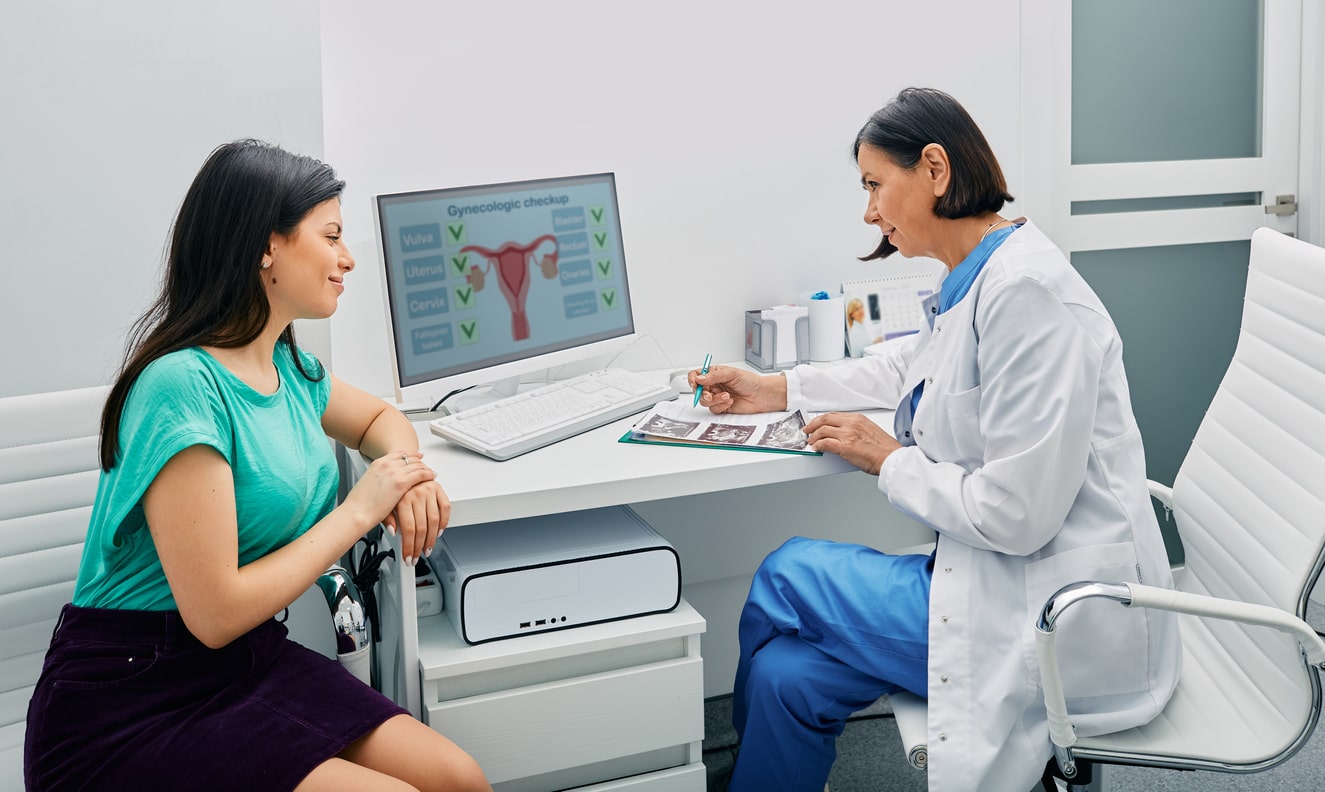
Gynecologic changes develop slowly. Some signs need attention if they return or worsen. A check-up helps identify possible causes, and your gynecologist can recommend the next step when symptoms affect daily life. Routine care also matters, but certain symptoms should prompt your visit.
Bleeding and Cycle Changes
Abnormal bleeding is a common reason to see your gynecologist. A gynecologist assesses them. Some people notice longer periods, and others see spotting that starts without a clear pattern. These changes seem small at first, but review them if they continue or increase. Passing large clots is a sign. Bleeding that disrupts work, sleep, or exercise deserves review. Your doctor may ask when the bleeding started, so share any cramps or pelvic pain. They may also ask about birth control, recent cycle changes, and results, as these details guide the evaluation. It helps to note if bleeding happens unexpectedly, since this can point to an underlying issue.
Pain Symptoms and Signs
Pelvic pain should not be ignored. Mild pain sometimes passes, but repeated or severe pain deserves evaluation as it can affect movement, sleep, and routine tasks. The pattern of pain helps guide the visit, and tracking details gives your gynecologist clearer information. Signs include:
- Pain during periods, sex, or urination
- Dull pressure, stabbing pain, or cramping outside your period
- Pain on one side or pain that spreads to the lower back
- Pain that worsens with exercise, standing, sitting, or bowel movements
These details may seem small, but they help your gynecologist decide what to assess first. Your gynecologist sometimes asks if the pain follows your cycle, worsens with activity, or interrupts work and sleep. Details narrow down possible causes. Track when pain starts, how long it lasts, and what makes it better or worse. These details matter. Note whether pain medicine helps, and record any spotting, heavy bleeding, or pressure with the pain. Your gynecologist may review your cycle. Sometimes follow-up testing is needed if symptoms continue, worsen, or do not match a clear cause. If pain is linked with an abnormal Pap Smear, HPV findings, or ongoing bleeding, your gynecologist may review the need for more evaluation.
Prolapse and Fertility Concerns
Some people notice a dragging sensation by the end of the day, and symptoms may increase after standing, lifting, or activity. Others feel discomfort during bowel movements, sex, or daily activities. Symptoms should still be discussed, especially if they persist or affect daily function. A gynecologist can examine the area. They discuss treatment options based on severity.
The visit may also include questions, because those factors contribute to prolapse symptoms. Infertility is another reason to schedule a check-up. If pregnancy has not happened after regular attempts, a gynecologist can review cycle patterns, medical history, and possible problems. Irregular periods can be relevant, and painful cycles also provide useful clues.
Schedule a Gynecologist Check-Up
A gynecologist visit is appropriate when symptoms affect your routine or continue over time. Some symptoms seem minor, but they can point to conditions that need testing or follow-up. Abnormal bleeding, pelvic pain, prolapse symptoms, and infertility all deserve timely attention. Well-woman exams also support prevention, and they help keep routine screening on schedule.
