

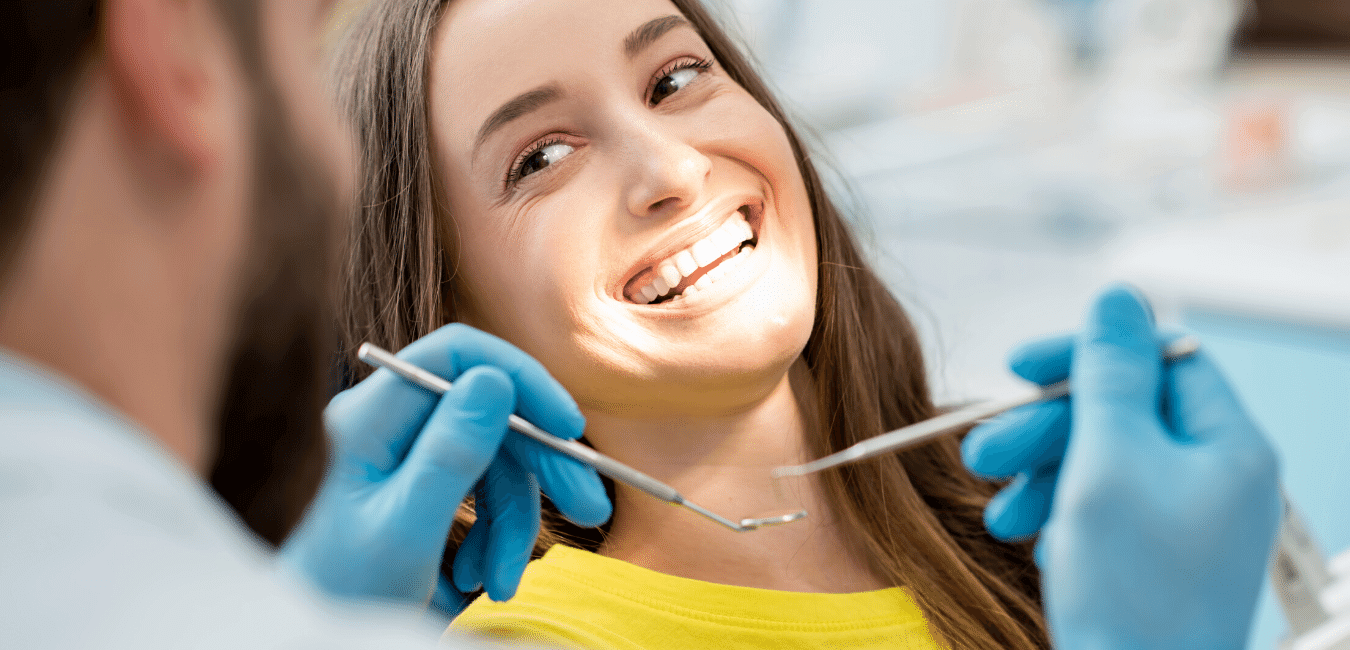
Dentists specialize in diagnosing and treating conditions of the mouth, teeth, and gums. A typical dental appointment involves a physical exam and a cleaning; sometimes a dentist also completes diagnostic imaging. When you schedule regular check-ups, you receive professional guidance for your daily oral care routine. Here are some benefits of dental check-ups:
Provides Preventive Care
Daily brushing and flossing at home establishes the foundation of good hygiene, but professional tools remove stubborn plaque. Dental hygienists clean your teeth, scraping away hard tartar buildup that normal toothbrushes miss. When dental hygienists perform a thorough cleaning, it helps prevent decay from eating through your enamel over time. A dentist may also apply fluoride treatments to strengthen the outer layer of your teeth. These preventive steps reduce the likelihood of cavities forming.
Detects Issues Early
Dentists use bright lights and small mirrors to inspect every angle of your mouth during a standard exam. They look for microfractures, gum swelling, and early signs of decay that cause no pain. X-rays reveal the internal structure of your teeth, and they also show the health of your jawbone. Finding a problem at its earliest stage allows dentists to intervene before it develops into more serious damage or requires complex treatment.
When you skip regular visits, small cavities are more likely to become deep infections that require extensive procedures. A small filling takes only minutes to complete, but a root canal takes much longer. Addressing minor issues promptly also limits discomfort.
Screens for Oral Cancer
Oral cancer typically appears as white patches, red sores, or hard lumps inside the mouth. Because these symptoms often mimic harmless conditions, many people miss them. Dentists should perform a comprehensive visual and physical screening during a routine visit; they feel your neck for swollen lymph nodes and examine the soft tissues under your tongue. If they spot an unusual lesion, they refer you to a specialist for a biopsy. Catching precancerous cells early expands your treatment options.
Monitors Overall Health
Dentists often use oral health to reflect overall health, since the condition of your teeth and gums can reveal changes in the rest of your body. Systemic diseases often display symptoms inside the mouth before other physical signs emerge. By sharing your complete medical history with your dentist, you build a comprehensive picture of your well-being. Some conditions a dentist might notice include:
- Diabetes: Diabetes reduces blood flow to your gums, and this leads to frequent periodontal infections and slower healing times. When your dentist notices severe gum disease, they might suggest you speak with a physician about your blood sugar levels.
- Osteoporosis: Bone loss in the jaw, visible on routine dental x-rays, often indicates osteoporosis.
- Nutrient deficiency: Deficiencies in vitamins and minerals also cause distinctive changes in your tongue and soft tissues.
Visit a Dentist Today
Maintaining your oral health requires consistent action and professional oversight. Routine appointments provide a baseline for your oral health, and they help identify hidden problems quickly. Dentists can respond more effectively when issues are detected early because regular check-ups allow small changes to be tracked over time. Contact a dentist today to book your next comprehensive check-up and cleaning.
