

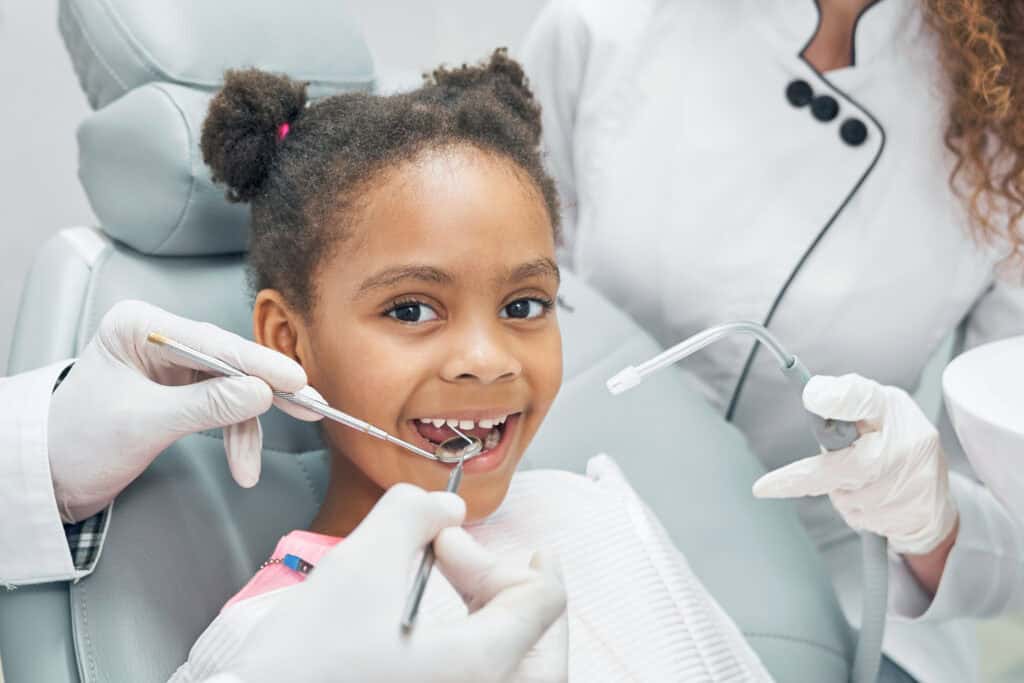
Pediatric dentists provide care for children from infancy through adolescence. These specialists complete dental school and additional residency training focused on child oral health. Because children have unique developmental needs, pediatric dentists study growth patterns and apply techniques for treating developing mouths at different stages while adapting care as children mature. The first dental visit is often recommended within months after the first tooth appears. During this visit, the provider sets an oral health baseline and evaluates risk factors while also observing early development patterns.
Monitoring Growth
Primary teeth guide the placement of permanent teeth. Baby teeth hold space in the jaw, and they support proper alignment as adult teeth emerge. Although primary teeth eventually fall out, they support speech development and allow chewing function while permanent teeth develop underneath. A pediatric dentist evaluates these teeth regularly. The pediatric dentist cleans enamel surfaces, and the hygienist removes plaque while monitoring for early signs of decay that could affect spacing.
Dentists monitor jaw and tooth development throughout childhood. They may use digital x-rays when needed, and they examine spacing and alignment during routine visits. When the dental arch is narrow, teeth may crowd, and bite alignment can shift during growth. Regular evaluations help identify these changes early. Providers measure facial bone growth and record changes in bite patterns while tracking overall development over time.
Because jaw growth affects alignment, dentists evaluate development regularly. They assess how upper and lower teeth meet, and they observe spacing during chewing and rest positions. When crowding develops, referral to orthodontic care may occur, and treatment planning addresses alignment concerns while supporting normal oral function as growth continues.
Preventing Decay
Cavities form when bacteria remain on tooth surfaces. The dental team applies fluoride treatments, and they place sealants on molars to protect chewing surfaces. Since molars contain deep grooves, sealants block food accumulation, and they reduce exposure to acids that contribute to decay over time.
Fluoride strengthens enamel. The dentist applies fluoride varnish, and it supports enamel remineralization in weakened areas. When early demineralization occurs, fluoride helps restore surface strength, and regular application supports cavity prevention while protecting developing teeth. Because diet affects bacterial activity, carbohydrates contribute to acid production in the mouth. Dentists educate families on hygiene routines, and they monitor teeth during visits while reinforcing preventive practices that support long-term oral health.
Managing Habits
Thumb sucking is a common childhood habit. This behavior may provide comfort, and it can continue during early development stages. If prolonged, pressure from the habit may affect tooth position, and changes in oral structure can occur over time. Pediatric dentists monitor these habits during routine visits. They evaluate tooth alignment, and they observe palate shape when habits persist. When thumb sucking or pacifier use continues beyond early childhood, the provider may recommend behavior changes, and they track progress while monitoring oral development. Because prolonged habits affect growth, early observation supports prevention. Dentists document structural changes, and they provide guidance while evaluating how oral habits influence alignment during development.
Find a Pediatric Dentist
Pediatric dentistry supports oral development during childhood and adolescence. Dental specialists manage preventive care and provide guidance on hygiene routines that support families. As children grow, they maintain brushing and flossing habits, and they reduce long-term dental risks through consistent care and monitoring. Regular visits support early detection. The dentist examines teeth, and they track development while addressing early signs of concern. When children receive consistent care, oral function remains stable, and long-term dental health improves through preventive treatment and ongoing observation. Find a pediatric dentist in your area.
