


Dental care is about more than responding to a painful tooth. A steady preventive routine can help identify small concerns before they become harder to manage, while also supporting comfortable eating, clear speech, and confidence in daily life. If cost or coverage is part of the decision, understanding how can I get dental insurance may be a practical step toward making regular care easier to plan for.
Prevention includes habits practiced at home, as well as professional exams, cleanings when appropriate, fluoride treatments, and follow-up care tailored to an individual’s needs. The right plan can vary based on age, health history, medications, oral health risks, and past dental treatment.
Why Prevention Matters
Waiting for pain can mean waiting until a problem has progressed. Cavities, gum disease, cracked fillings, and bite-related wear do not always cause obvious symptoms early on. Regular care allows a dental professional to look for changes, discuss concerns, and recommend the least complicated next step when treatment is needed.
Oral health also affects many ordinary moments. Teeth and gums help people chew a varied diet, speak comfortably, and smile without embarrassment. At the same time, dental care is not a guarantee against every health problem. It is an important part of maintaining overall well-being.
The Mouth-Body Connection
The mouth is connected to eating, speaking, breathing, and sleeping. Saliva helps protect teeth, so that dry mouth can increase the need for extra attention. Gum inflammation and infections also deserve prompt evaluation. Ongoing research into oral health and overall wellness has increased interest in the ways gum health, nutrition, diabetes management, and other health factors may overlap.
These links should be viewed carefully. Having gum disease does not mean a person will develop another medical condition, and dental treatment does not replace medical care. Still, sharing medical conditions, medications, and health changes with both dental and medical professionals can help each provider make better-informed recommendations.
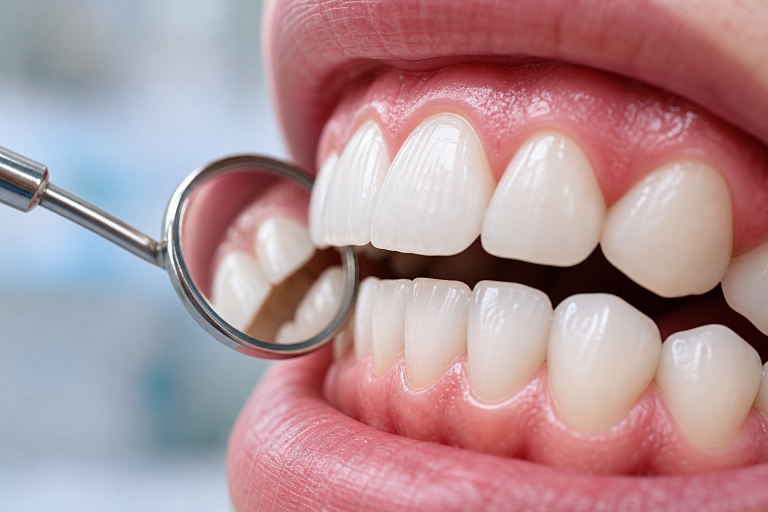
Daily Habits That Protect Oral Health
A consistent routine is usually more useful than an expensive collection of products. A practical daily plan can include the following:
- Brush twice each day with fluoride toothpaste.
- Clean between teeth with floss, an interdental brush, or another tool recommended for your mouth.
- Drink water regularly, particularly after meals or sweet drinks.
- Limit frequent exposure to sugary snacks, drinks, and sticky foods.
- Clean removable dentures, retainers, or other appliances as directed.
- Replace a toothbrush or brush head when the bristles become worn.
Two focused minutes in the morning and evening can make a meaningful difference over time. Use a gentle angle along the gumline, clean all sides of each tooth, and avoid rushing through the back teeth. If brushing causes pain or bleeding continues, bring it up at a dental visit rather than simply brushing less.
What Happens During A Routine Dental Visit
A preventive appointment may begin with a review of your health history, medications, and concerns. The dental team may examine the teeth, gums, jaw, bite, and soft tissues inside the mouth. A professional cleaning, X-rays, or other tests may be recommended when clinically appropriate, followed by guidance on home care and a schedule for future visits.
Not everyone needs the same appointment interval. People with active gum disease, dry mouth, diabetes, tobacco use, braces, pregnancy-related gum changes, or a history of frequent decay may benefit from a different schedule. Ask why a particular timing is recommended and what changes could affect it.
Early Warning Signs To Watch
Contact a dental professional if a concern persists, worsens, or interferes with normal eating or speaking. Common warning signs include:
- Bleeding, tender, swollen, or receding gums.
- Persistent bad breath or an unpleasant taste.
- Sensitivity to hot, cold, or sweet foods that does not improve.
- Pain when chewing, a chipped tooth, or a tooth that feels loose.
- Sores, white or red patches, or other mouth changes that do not heal.
- Jaw pain, facial swelling, or difficulty opening the mouth.
Facial swelling with fever, trouble breathing, or trouble swallowing may require urgent medical attention. Do not wait for a routine appointment if symptoms suggest an infection is spreading or breathing is affected.
Dental Care Through Different Life Stages
- Children: Help build brushing skills, supervise as needed, and ask about fluoride and sealants.
- Teens: Address braces, sports mouthguards, sugary drinks, and changing routines.
- Adults: Watch for grinding, dry mouth, gum changes, and postponed appointments.
- Pregnant adults: Discuss gum changes and any treatment questions with dental and medical providers.
- Older adults: Pay attention to exposed roots, dentures, medication-related dry mouth, and access barriers.
Making Preventive Care Easier To Maintain
Access is part of prevention. Ask for a written estimate that distinguishes preventive, diagnostic, and restorative services. It can also help to ask about payment arrangements, lower-cost appointment times, community clinics, and programs available in your area. Let the dental team know about anxiety, mobility needs, language preferences, or financial concerns so they can help create a manageable plan.
In 2026, the World Health Organization emphasized the value of preventive, less invasive, and affordable dental care as part of stronger oral health systems. On an individual level, scheduling before a calendar becomes crowded and keeping reminders can make routine care more realistic.
Common Questions About Preventive Dental Care
How Often Should Someone Visit A Dentist?
Visit timing depends on your oral health, medical history, symptoms, and professional advice. A personalized schedule is more useful than assuming every person needs identical care.
Is Brushing Enough?
Brushing cleans many tooth surfaces, but it may not fully clean between teeth. The most suitable between-teeth tool depends on spacing, restorations, braces, gum health, and personal ability.
Can Gum Disease Develop Without Pain?
Yes. Gum problems can progress with limited discomfort, which is one reason routine exams matter even when the mouth feels normal.
What If Several Appointments Have Been Missed?
Schedule an evaluation without embarrassment. Be honest about concerns and priorities, then work with the dental team on a realistic next step.
A Simple Plan For Better Oral Health
Preventive dental care works best as a series of repeatable actions. Brush and clean between teeth each day, pay attention to changes in your mouth, and arrange care before discomfort becomes urgent. Small, consistent decisions can help protect teeth and gums through 2026 and beyond.
