

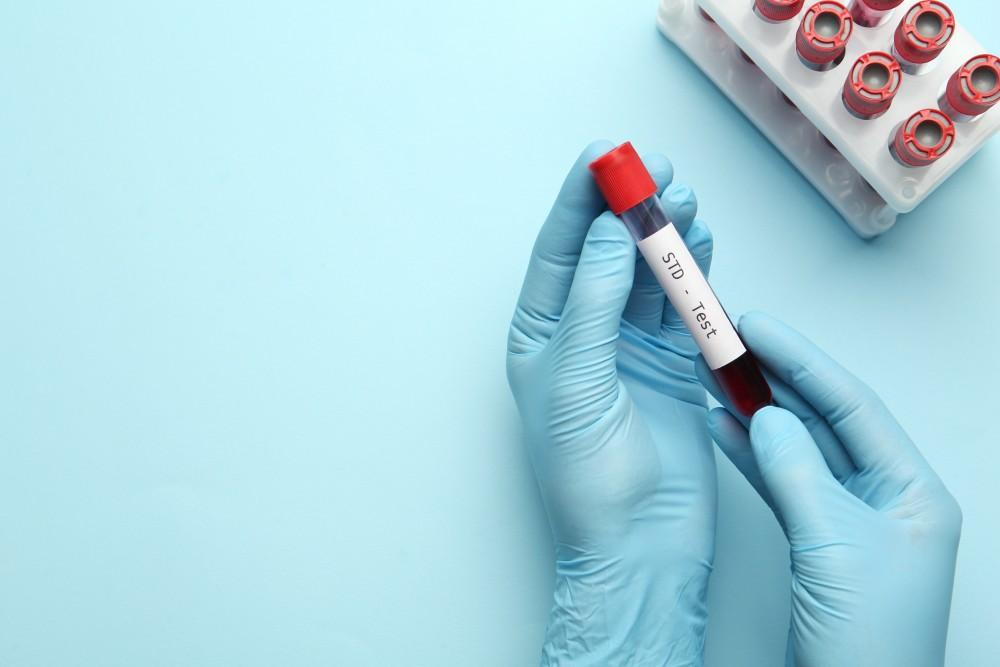
Sexual health is a state of physical, emotional, and social well-being related to sexuality. It involves access to accurate information and the ability to make informed decisions about your body. Regular testing for sexually transmitted diseases (STDs) is one part of maintaining that well-being. Understanding when to test, which tests to request, and the value of screening can help you stay informed about your status. For targeted sexual healthcare, contact a men’s center or other reproductive health facility for timely screenings.
When To Get Tested
Many infections do not produce symptoms right away, and some never produce noticeable symptoms at all. This is why timing matters when it comes to STD testing. For this reason, testing is often recommended before and after starting a relationship with a new partner. Several situations may prompt a test. You might be interested in sexual health screenings if you have:
- A New Sexual Partner
- Multiple Partners
- New Symptoms (i.e., Unusual Discharge, Sores, or Pain)
People who are pregnant or planning a pregnancy are also frequently advised to test as part of routine care.
Each infection has its own window period, which is the time between exposure and when a test can detect it. Testing too early may produce a negative result even when an infection is present, so some tests require a follow-up after a set number of weeks. A healthcare provider can advise on the right schedule based on your individual circumstances.
What Tests To Ask For
Not every visit includes a full panel of tests, so it helps to know what to request. Some common screenings cover chlamydia, gonorrhea, syphilis, HIV, hepatitis B, and hepatitis C. Tests for herpes and human papillomavirus (HPV) may also be available, though these are often handled differently depending on symptoms and risk factors.
Testing methods vary depending on the healthcare facility you visit. A blood draw may be used for HIV, syphilis, and hepatitis, while urine samples or swabs are common for chlamydia and gonorrhea. Swabs can be taken from the genital areas or throat, depending on the type of contact involved. It is reasonable to ask your provider which tests are included in a standard screening and which ones you may need to request separately. Being specific about your history and any symptoms helps your provider recommend the most appropriate tests for your needs.
Why Tests Are Beneficial
To stay informed about your sexual health, schedule regular STD screenings. Many STDs are detectable before symptoms appear, which means testing can identify an infection during its early stages. Knowing your status allows you to take informed next steps and discuss timely treatment options with your healthcare provider.
Testing also supports open communication between partners, as sharing recent results can help both people make decisions about their health. This kind of transparency reduces uncertainty and builds trust. Beyond personal awareness, routine testing contributes to broader public health efforts. When infections are identified and addressed, the chance of further transmission within a community may decrease.
STD screening is a straightforward step that fits into a larger picture of preventive care, alongside other routine checkups and health practices. Privacy is another factor that many people value. Most testing options include confidential handling of results, and many clinics offer discreet services. Some locations also provide at-home test kits for those who prefer to test in private.
Preserve Your Sexual Health
STD testing helps you care for your overall well-being. By understanding when to test, knowing which screenings to request, and recognizing the value of regular checks, you put yourself in a stronger position to make informed healthcare choices. The process is generally simple, and many providers offer guidance to help you navigate it more easily. To support your health and the health of those around you, contact a reproductive healthcare provider for personalized care options.
