

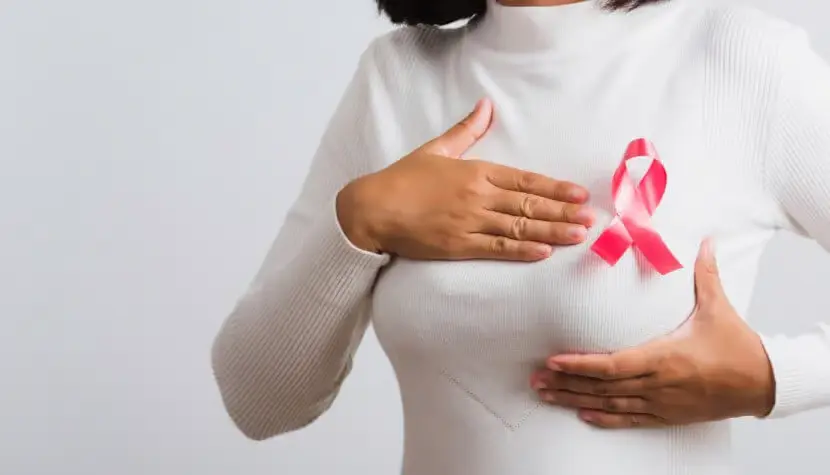
A breast exam is a check of your breasts for changes, such as lumps, thickening, or differences in shape. You should do this yourself at home, and a doctor can also perform one during a visit. A mammogram is an X-ray image of the breasts that a trained specialist reviews. Together, self-exams, professional exams, and mammograms give you a fuller picture of your breast health. Here’s information on the benefits of self-exams in conjunction with professional medical screenings:
How To Do a Self-Exam
A self-exam takes only a few minutes, and you can do it once a month. Pick the same time each month so it becomes a routine. Pay attention to how your breasts normally look and feel so you can spot anything new. To do a self-exam at home, follow these steps:
- Stand in front of a mirror with your arms at your sides.
- Look for changes in breast size, shape, or skin texture.
- Raise your arms overhead and look again for the same changes.
- Lie down and use the pads of your fingers to feel each breast in small circles.
- Cover the whole area, from your collarbone to the top of your stomach, and from your armpit to your breastbone.
- Gently squeeze each nipple to check for any discharge and assess the areolas for any changes.
Use light, medium, and firm pressure as you move across each area. This helps you feel both the surface and the deeper tissue. If anything has changed or feels like a lump, contact a gynecologist for a consultation. They may recommend a breast exam or a mammogram, depending on your condition.
What To Look For
Knowing what to notice makes your self-exam more useful. Look for changes in size or shape between your two breasts. Watch for dimpling, puckering, or redness of the skin. A nipple that turns inward or shifts position is also worth noting. Feel for new lumps, hard knots, or areas of thickening, and if you notice any pain, you may need to visit a specialist.
Take note of any pain that does not go away or any swelling near the armpit. Discharge from the nipple, especially if it is clear or bloody, is another thing to track. Write down anything you notice, and bring those notes to your next gynecology appointment. Keeping a simple record helps you and your doctor compare changes over time.
When To Contact a Specialist
Self-exams are a starting point, not a final answer. If you find a new lump, see skin changes, or notice nipple discharge, you should contact a specialist. Do not wait for a change to grow or for symptoms to worsen. You should also reach out sooner if you have a family history of breast conditions or if your doctor recommends earlier screening.
Many people feel unsure about when to seek help, but a quick call to your provider can clear up that doubt. Acting early gives you and your care team more time to respond. A specialist can perform a professional exam and decide whether further tests are needed. Asking questions during your visit helps you better understand your options.
Self-exams and professional exams work best when paired with regular mammograms. A mammogram can show details that hands and eyes may miss, and it gives your specialist an image to review. Talk with your doctor about how often you should have one based on your age, personal history, and family history.
Schedule a Mammogram
Booking an appointment is a proactive step you can take to stay informed about your breast health. Mark your calendar for monthly self-exams, keep your scheduled visits, and follow the screening plan your provider suggests. By combining all three methods, you take an active role in caring for your body. Contact a gynecologist to schedule your next mammogram and ask any questions you may have about breast health.
