

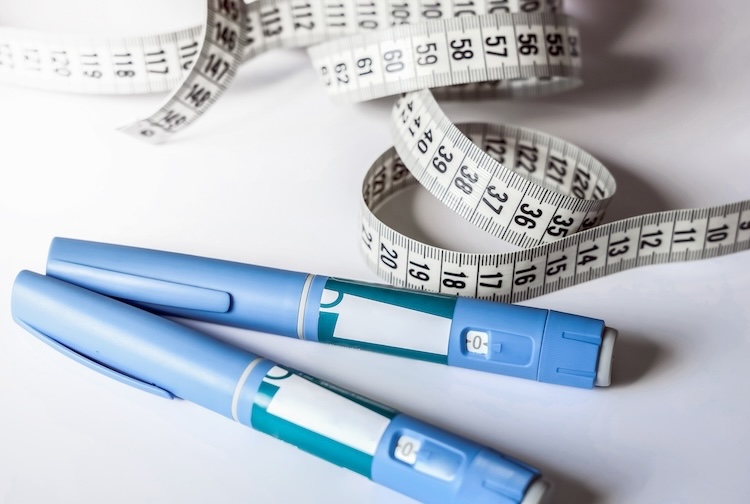
Prescription medications are available for weight loss when lifestyle changes alone do not produce sufficient results. Anti-obesity medications can help support health, and newer GLP-1 drugs have received increased attention. These medications act on the body’s hormone pathways, and clinical research has documented their effects. This article explains medication-specific benefits supported by clinical evidence.
Supporting Weight Loss
Weight loss on these medications can be significant. In clinical trials that randomly assigned participants to an active drug or placebo, participants on semaglutide or tirzepatide lost 15% to 20% of their body weight on average. All participants followed a diet and exercise program, and the medications produced greater weight loss than placebo. Although researchers evaluated multiple doses, higher doses of GLP-1 agonists produced greater effects. Researchers evaluated these medications in controlled clinical trials. Participants received either an active medication or a placebo, and both groups followed lifestyle changes. The results showed greater average weight loss among participants who received the active medication.
Managing Appetite
GLP-1 receptor agonist medications mimic the action of glucagon-like peptide 1. The hormone is released by the intestines after eating, and it acts on receptors that govern hunger and fullness. These medications increase feelings of fullness, and they also slow stomach emptying. Because the drugs remain active longer than the body’s natural GLP-1, their effects last longer. Tirzepatide also mimics gastric inhibitory polypeptide, which produces effects similar to those of GLP-1.
Regulating Blood Sugar
These medications also affect blood sugar regulation. GLP-1 binds to receptors in the pancreas, and those receptors stimulate insulin secretion after meals. Insulin helps move glucose from the bloodstream into cells, so this mechanism became useful in diabetes treatment. While GLP-1 increases insulin secretion, it also reduces glucagon secretion. Glucagon raises blood sugar levels, and lower glucagon activity limits the release of additional glucose into the bloodstream.
Understanding Eligibility
Administration methods vary by medication. The first GLP-1 drugs are self-administered through subcutaneous injection, and patients use pre-filled pens on a daily or weekly schedule. Common injection sites include the stomach, upper leg, and upper arm. Because the medication is delivered beneath the skin, it does not enter a vein or muscle directly. Newer GLP-1 medications are available in pill form, and they are taken once daily. Liraglutide and semaglutide are approved for children ages 12 and older.
Different medications use different dosing schedules. Some products are taken once each week, and others require daily use. Although administration methods vary between medications, each product follows specific prescribing instructions. A healthcare provider determines which option aligns with an individual’s treatment plan.
Start the Conversation
Weight loss medications act on natural hormone pathways to curb appetite, extend feelings of fullness, and regulate blood sugar. Clinical trials show meaningful results when these medications are combined with diet and exercise, and some participants achieve substantial weight loss. Although medication is not the right option for everyone, it provides an additional treatment approach for eligible individuals. Talk with a qualified healthcare provider to learn whether a prescription medication fits your situation.
