

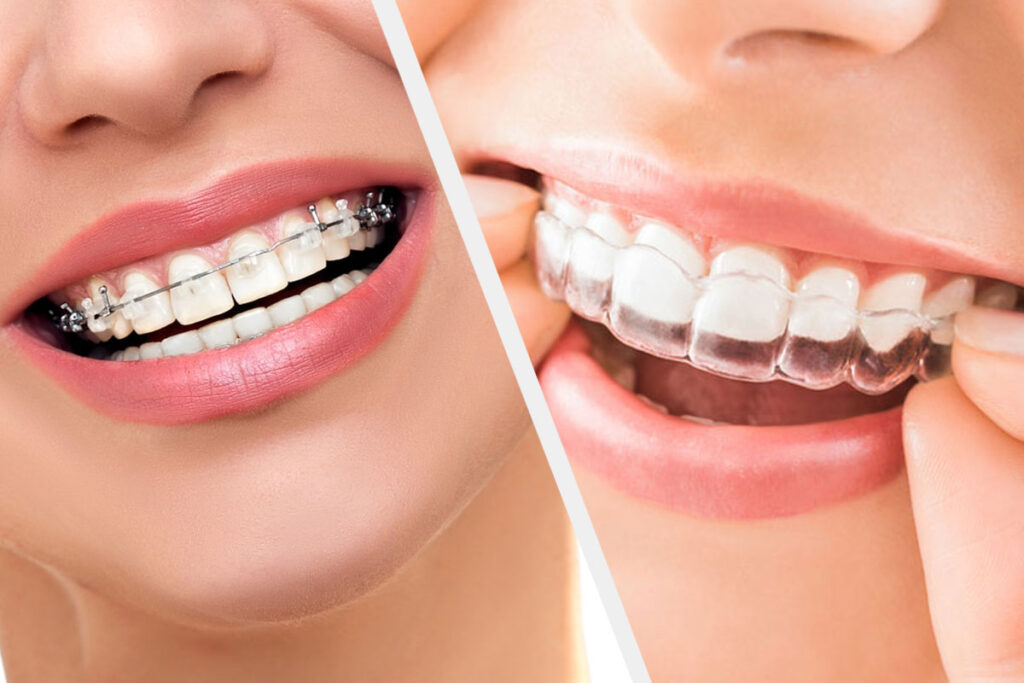
Orthodontic treatments address misaligned teeth and bite complications to improve overall dental function. Two primary methods exist for straightening teeth: traditional fixed braces and clear aligner systems like Invisalign. Each system uses distinct mechanical principles to adjust dental alignment over time. Learning about the specific structural features and understanding the overall lifestyle impact of each option helps patients make informed decisions about their upcoming orthodontic care.
What Are Braces?
Braces rely on a system of brackets, wires, and bands affixed directly to the teeth. These interconnected components apply continuous pressure, gradually shifting teeth into their designated positions. Traditional metal braces use standard stainless steel wires and elastic bands to facilitate tooth movement. For those seeking a lower visual profile, clear braces function through the exact same mechanical process but utilize translucent materials that blend in with the natural tooth enamel.
Mini-diamond braces represent another variation, offering a smaller bracket for increased physical comfort while delivering the same functional results. Some patients opt for self-ligating systems. These rely on a built-in mechanism to hold the archwire in place and eliminate the need for separate elastic bands. Lingual braces attach entirely to the back surfaces of the teeth, hiding the orthodontic hardware from public view.
Because these brackets remain permanently attached throughout the duration of the treatment, wearers must adhere to specific dietary restrictions. Hard or sticky foods can dislodge brackets or bend wires, requiring repair visits. Routine oral hygiene also requires extra diligence. Patients must navigate their toothbrushes and floss threaders carefully around the fixed hardware to remove plaque and food particles.
What Is Invisalign?
Invisalign represents an entirely different approach to orthodontic correction; it utilizes a customized series of clear, removable plastic trays instead of fixed metal components. Rather than tightening wires at scheduled intervals, patients progress through a sequence of pre-manufactured trays. Each new set of aligners is typically worn for a few weeks before the patient transitions to the next stage in the treatment series. To achieve the projected dental outcomes, users are instructed to wear the trays for 20 to 22 hours each single day.
The removable nature of these clear trays allows patients to take them out before consuming meals, so individuals undergoing this treatment face zero dietary restrictions. Cleaning the appliance involves rinsing the trays with cold water and brushing them gently with a standard toothbrush every day. Hot water must be strictly avoided. Elevated temperatures can easily warp material, rendering the aligner useless.
How Do You Choose?
Selecting between these two distinct orthodontic systems depends on multiple variables. Braces generally provide robust, predictable solutions for highly complex dental misalignments or severe bite issues. Because they remain fixed in place securely, patients do not need to track their daily wear time. Invisalign may appeal to adults and teenagers seeking a less conspicuous treatment method. The ability to remove the appliance simplifies daily oral hygiene routines and allows for standard brushing and flossing without any structural obstructions. Patients must also possess the necessary discipline to meet the minimum daily wear requirements. Failing to keep the trays in place for the prescribed daily duration directly delays progress and extends the total treatment timeline.
Speak With an Orthodontist
Moving forward with any structural dental correction requires a thorough professional evaluation, allowing orthodontists to utilize X-rays and physical impressions to map out personalized treatment plans based on individual jaw anatomy. During the initial appointment, the practitioner can assess the severity of the bite complications and discuss specific lifestyle parameters. Scheduling an initial examination provides the exact clinical details needed to move toward a straighter smile.
