

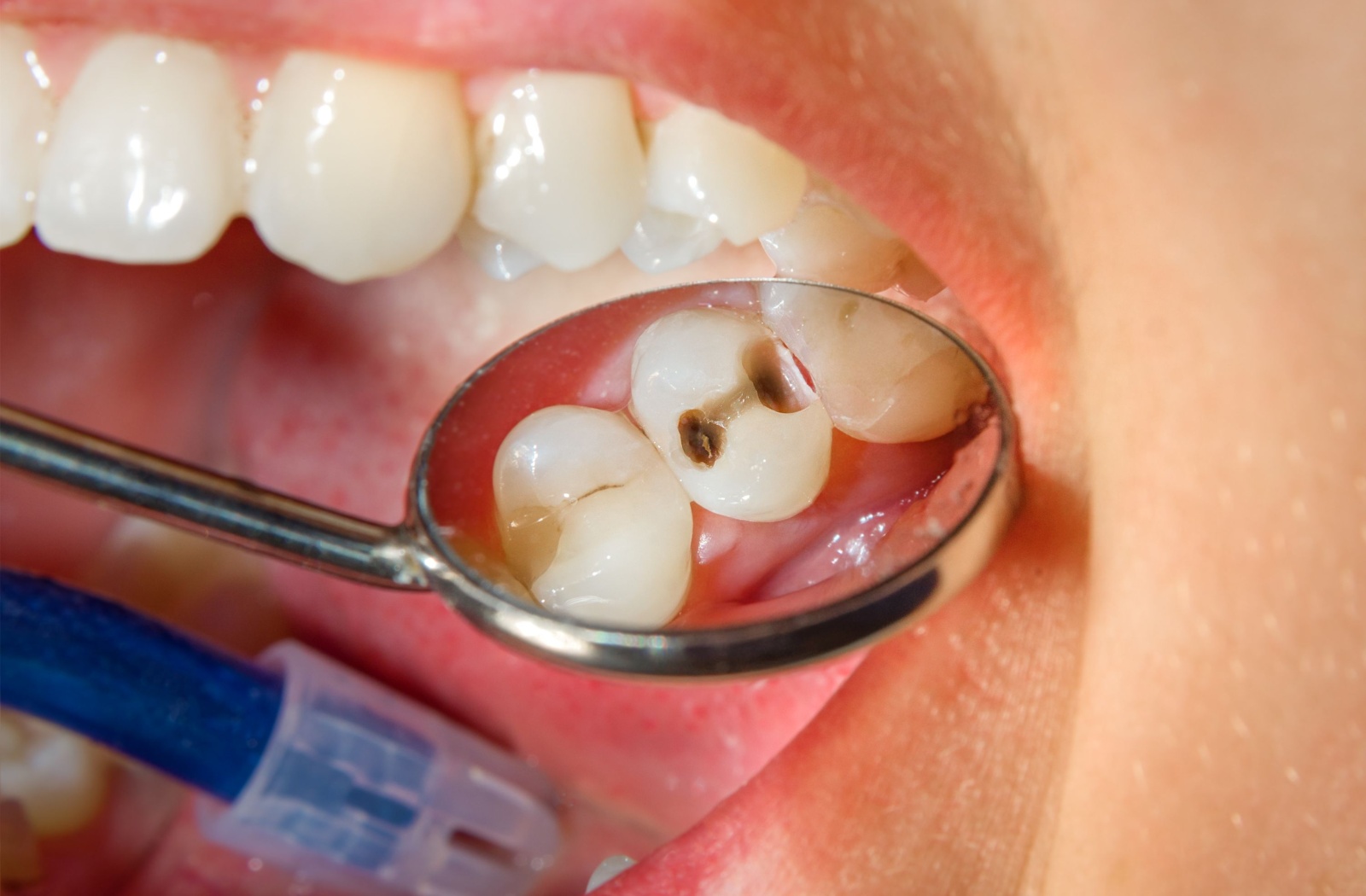
Cavities require prompt treatment after they are discovered to prevent decay that compromises your oral health. Scheduling routine dental appointments is an effective way to catch cavities early, as your dentist can identify signs sooner. Prompt diagnosis enables quick intervention, relieves pain and sensitivity, and reduces the need for advanced restorations, such as root canals. Here are a few advantages of quick dental services for cavities:
Stops Decay from Spreading
When dental cavities begin, you may not show any signs at first. This is why routine cleaning and checkups are a key part of the prevention plan. The decay starts at the enamel surface and gradually spreads inward if left untreated. If the bacteria penetrate the dentin and reach the pulp, you’ll experience pain and sensitivity to temperature. Visit a dentist immediately if you experience the following symptoms:
- Sharp pain
- Increased tooth sensitivity
- Dark spots or visible holes
Early treatment stops the decay from spreading to the deeper layers of your tooth. A dental hygienist cleans the tooth before the cavity is filled with a composite that matches your natural tooth color. Timely dental care helps preserve as much of the tooth as possible, while fillings strengthen it and restore function. By removing bacteria and sealing the area, the treatment halts further decay.
Relieves Pain and Discomfort
Cavities may cause sharp pain when eating or drinking hot or cold foods and drinks, and tooth sensitivity increases as the decay progresses. Early care targets the source of irritation to restore comfort, and dental clinics often provide same-day relief that reduces pain and sensitivity. The cavity is also sealed, and your tooth is reinforced to support normal eating habits.
Prevents Advanced Oral Procedures
Small cavities that are caught early typically require simple fillings or minimal drilling and repair. The treatment is quick, usually completed in one visit. Left untreated, the decay progresses deeper, weakens the tooth, and increases the likelihood of fractures and root damage. The damage may also extend to the gums, leading to irritation and potential infections. Delayed treatment often requires advanced procedures, such as root canals, crowns, fixed bridges, and extractions.
Advanced procedures require a longer recovery and can be avoided with a proactive approach. Act early to prevent damage beyond the tooth surface and protect surrounding oral structures. This helps reduce the need for complex procedures.
Protects Your Oral Health
Cavities progress differently, depending on your diet, hygiene, and timing of treatment. Quick dental service addresses the discomfort and prevents you from compensating, which may wear the remaining teeth faster. Cleaning and sealing the cavity restores tooth function and prevents decay from affecting multiple teeth or the nerve tissue. Quick action also prevents severe infections, such as a tooth abscess, from spreading to other parts of the body.
Speak to a Dentist Today
Oral health issues, such as cavities, are progressive, meaning they get worse with time, especially if untreated. Since the problem may have no immediate symptoms, schedule routine checkups; this approach helps with early diagnosis. Treatment is quicker and less invasive when the damage is limited to surface-level decay. Speak to a dentist today to find out more about cavity treatment and other restorations.
