

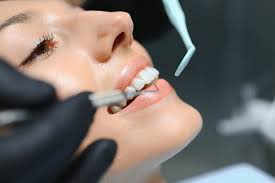
Cosmetic dentistry helps you achieve a smile that feels right for you, and this branch of dental care focuses on changing the visual appearance of your teeth. Every patient brings a unique vision for their smile, so you need information and reassurance as you look at your next step. The available procedures can reshape, brighten, or realign your teeth. Here are some cosmetic dentistry techniques and what they involve:
Veneers
Dentists may recommend veneers for those who want to change how their teeth look. Thin shells made from materials such as porcelain or composite resin are custom-fitted to your mouth by a trained team. Veneers offer a smooth, uniform appearance, and the dental provider bonds them carefully to the front of your natural teeth. There are several reasons cosmetic dentistry patients select veneers:
- Addresses discoloration not improving with whitening
- Covers worn, chipped, or uneven teeth
- Creates a more even smile line
Invisalign
Invisalign is a system using clear plastic aligners, and it helps shift teeth gradually into a new position. Patients may turn to Invisalign when they want to avoid traditional metal braces, because the trays are nearly invisible and can be removed for eating or cleaning. The aligners must be worn most of the day to be effective, but you take them out for meals and while brushing.
Following a daily care plan is straightforward. After eating, you’ll brush your teeth and clean your aligners, and then they’ll go back in. Every few weeks, a new set of trays is provided to continue guiding your teeth’s movement. Your dentist or orthodontist monitors your progress during regular visits, offering reassurance at each stage.
This method provides structure and predictability. For people seeking flexibility and subtle changes, Invisalign is a practical choice. Your care team will show you exactly how to use and maintain the aligners to support your progress.
Crowns
Crowns surround the visible portion of a tooth with a durable cap, and this helps restore the tooth’s shape. Dentists use crowns when a tooth is weakened, cracked, or has undergone significant restoration, such as after a root canal. Crowns come in several materials; your dentist will recommend one based on your specific needs, daily habits, and treatment goals.
To begin, the dentist prepares the tooth by shaping it to fit the new cap, and an impression is taken for a custom fit. After this step, the dentist places a temporary crown while your permanent one is made, so you can go about your daily routine. When the permanent crown is ready, the dentist removes the temporary version, fits the new crown, and secures it in place.
Crowns may be created from:
- Ceramic
- Resin
- Metal alloys
Bridges
Bridges fill spaces where one or more teeth are missing, and they connect artificial teeth to your natural teeth on either side of the gap. Your dental provider prepares the neighboring teeth as anchors, then places the bridge to restore chewing function and appearance. Once it’s cemented, the bridge feels stable, and daily activities like eating or speaking are more comfortable.
Schedule Cosmetic Dentistry Today
If you are ready to explore your options, dentists offer a range of cosmetic procedures to suit your personal goals. A dental team can answer your questions, review your dental history, and create a plan tailored to your needs. Take the first step by calling a dental office and booking a consultation.
